The Baader Planetarium Laser Colli – Mark III is a compact, precision-built tool for checking and adjusting telescope collimation. Accurate optical alignment is essential for achieving sharp views and making the most of a telescope’s performance, particularly after transport or regular setup and dismantling.
Clear and Convenient Collimation
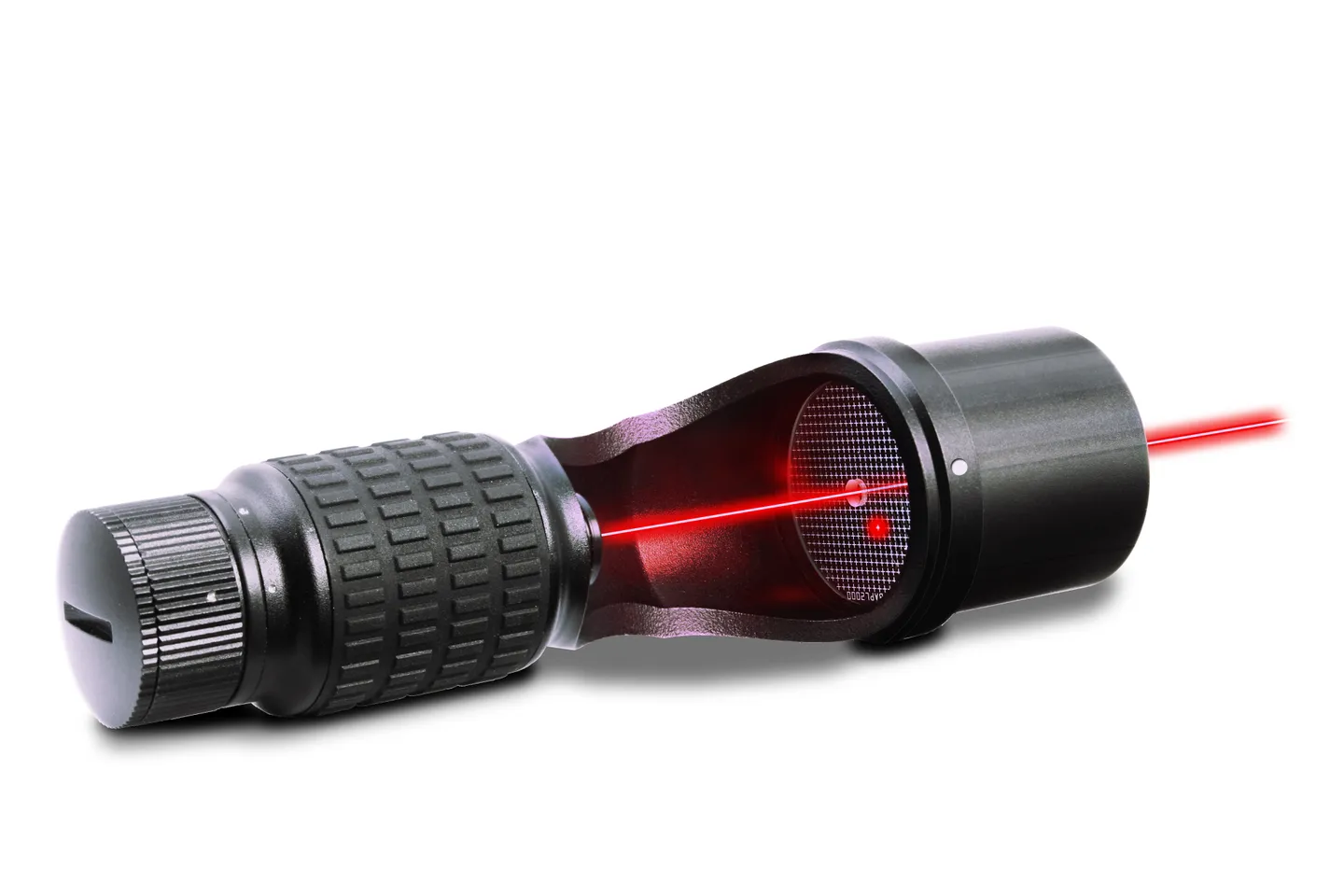
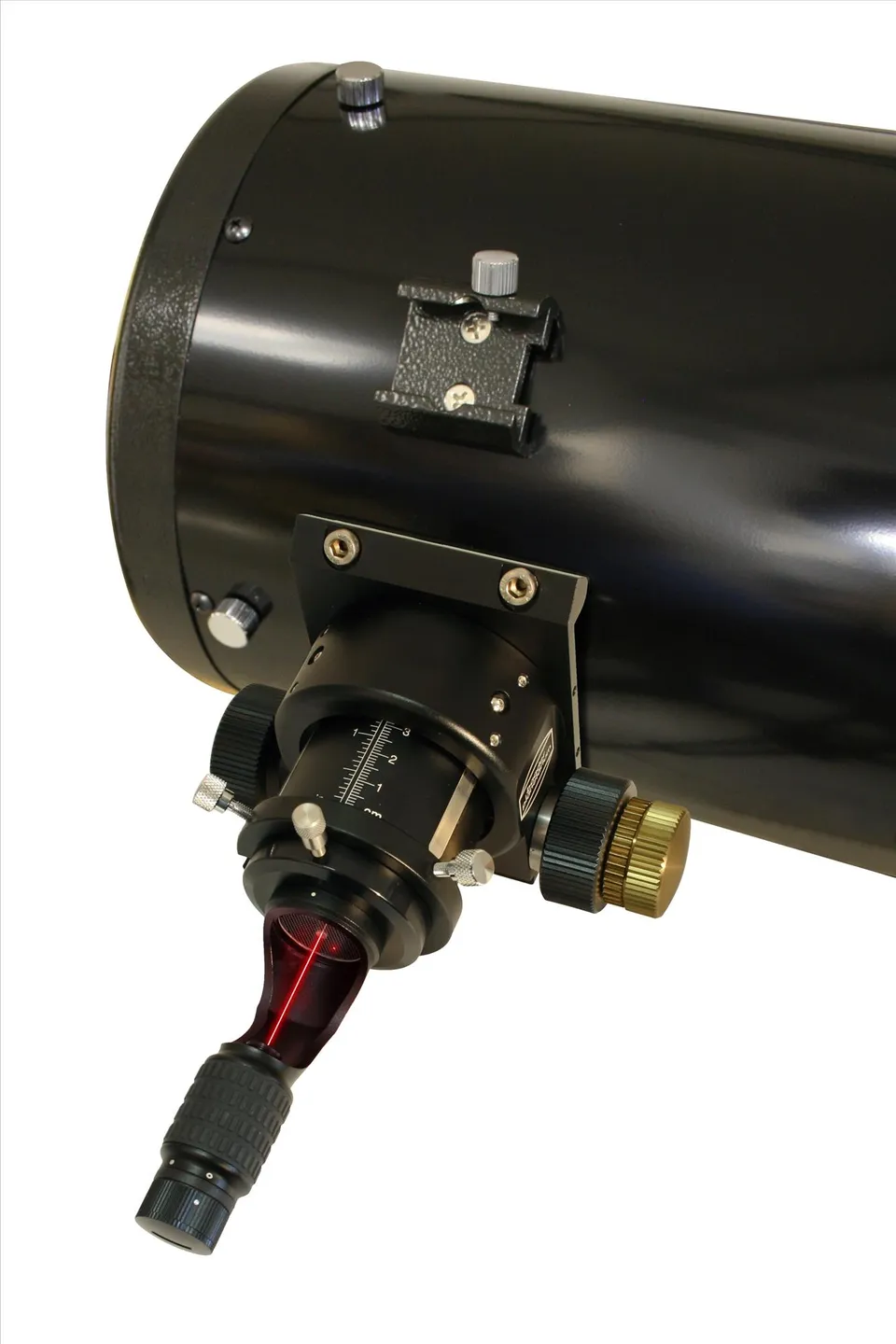
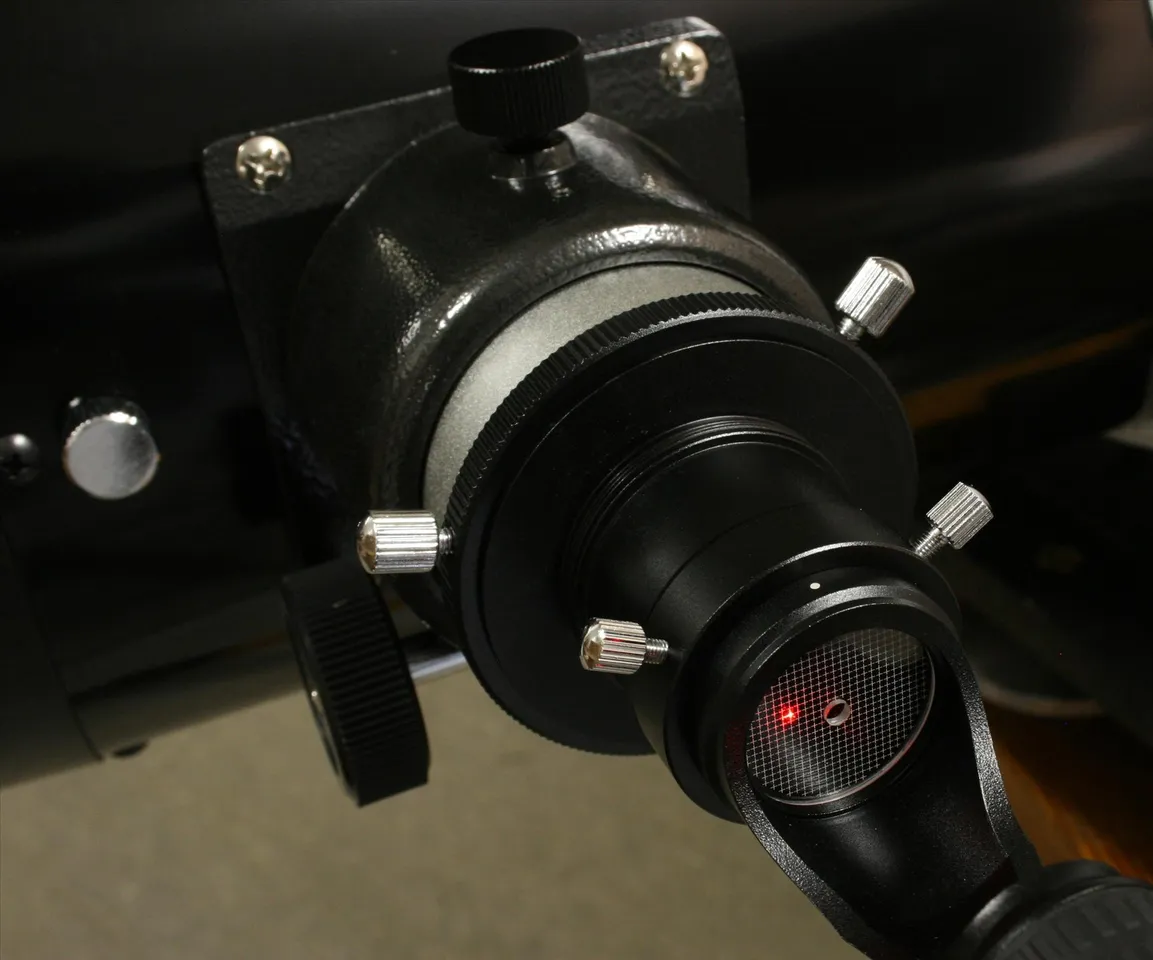
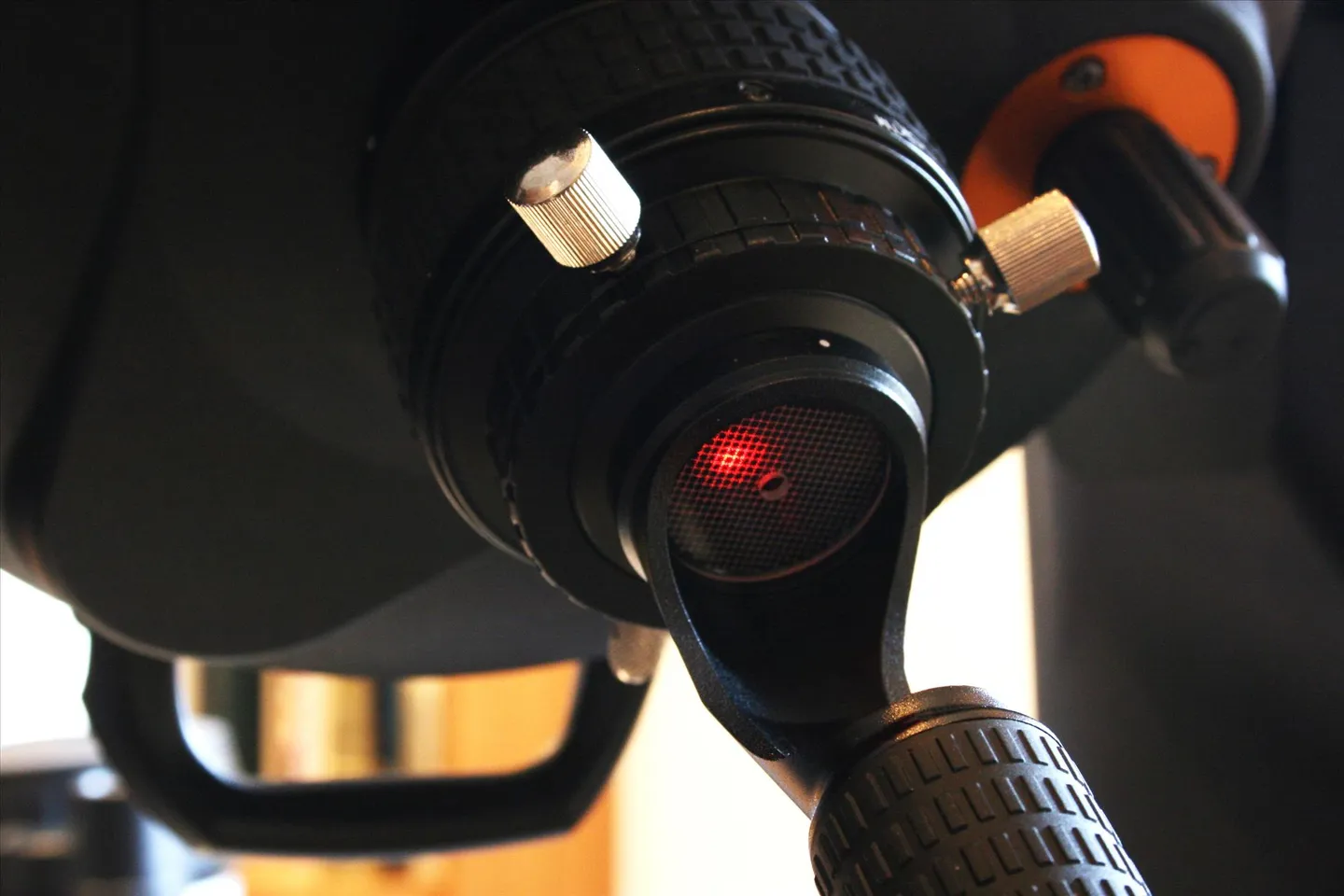
The Laser Colli fits into a standard 1.25″ eyepiece holder and projects a laser beam through the telescope’s optical system. In a Newtonian telescope, the beam and its reflection provide a visual reference for checking the alignment of the secondary and primary mirrors. A specially etched viewing plate makes the returning laser spot easier to identify. Its translucent design also helps locate the reflected beam when the telescope is significantly out of alignment.
Precision-Machined Construction
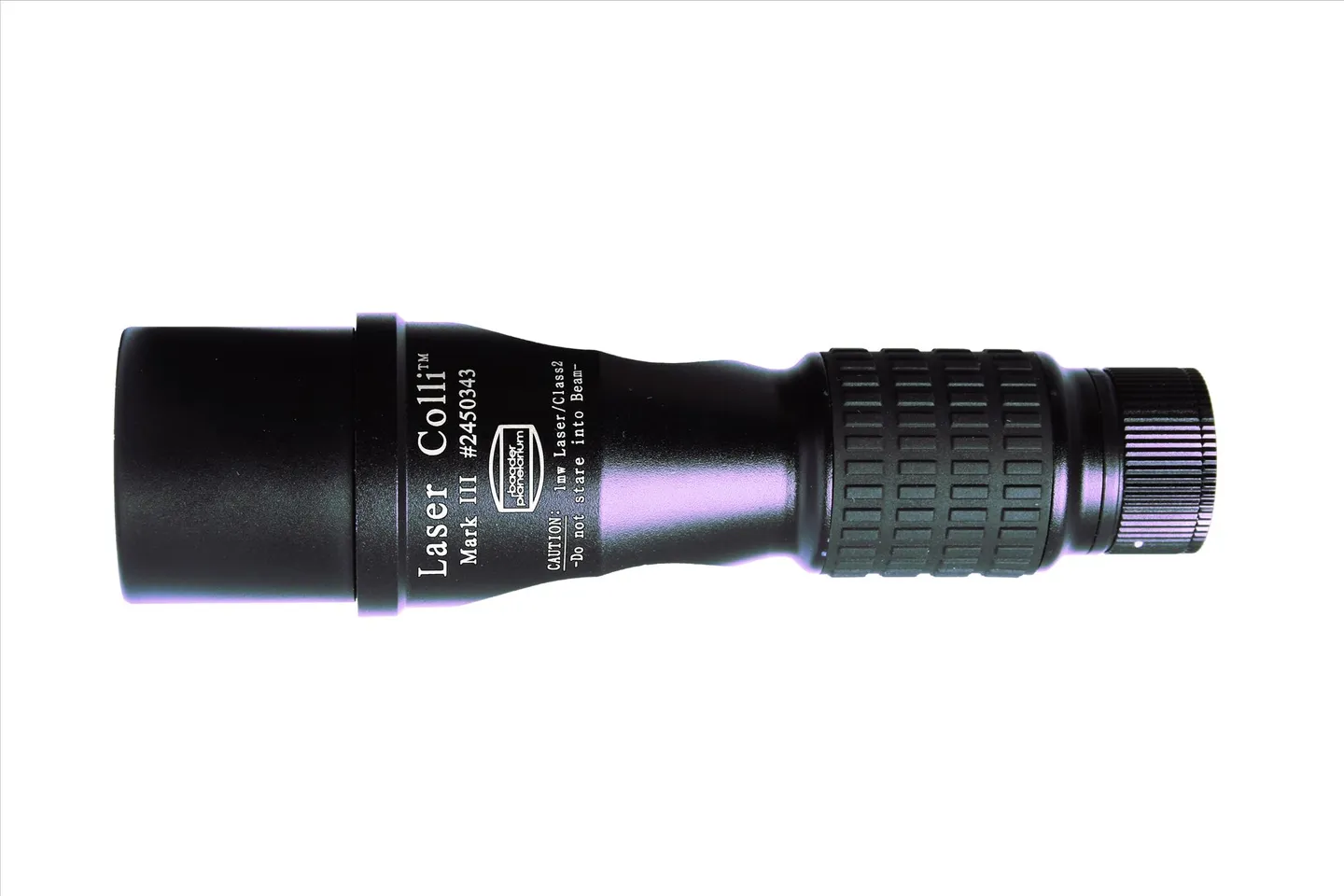
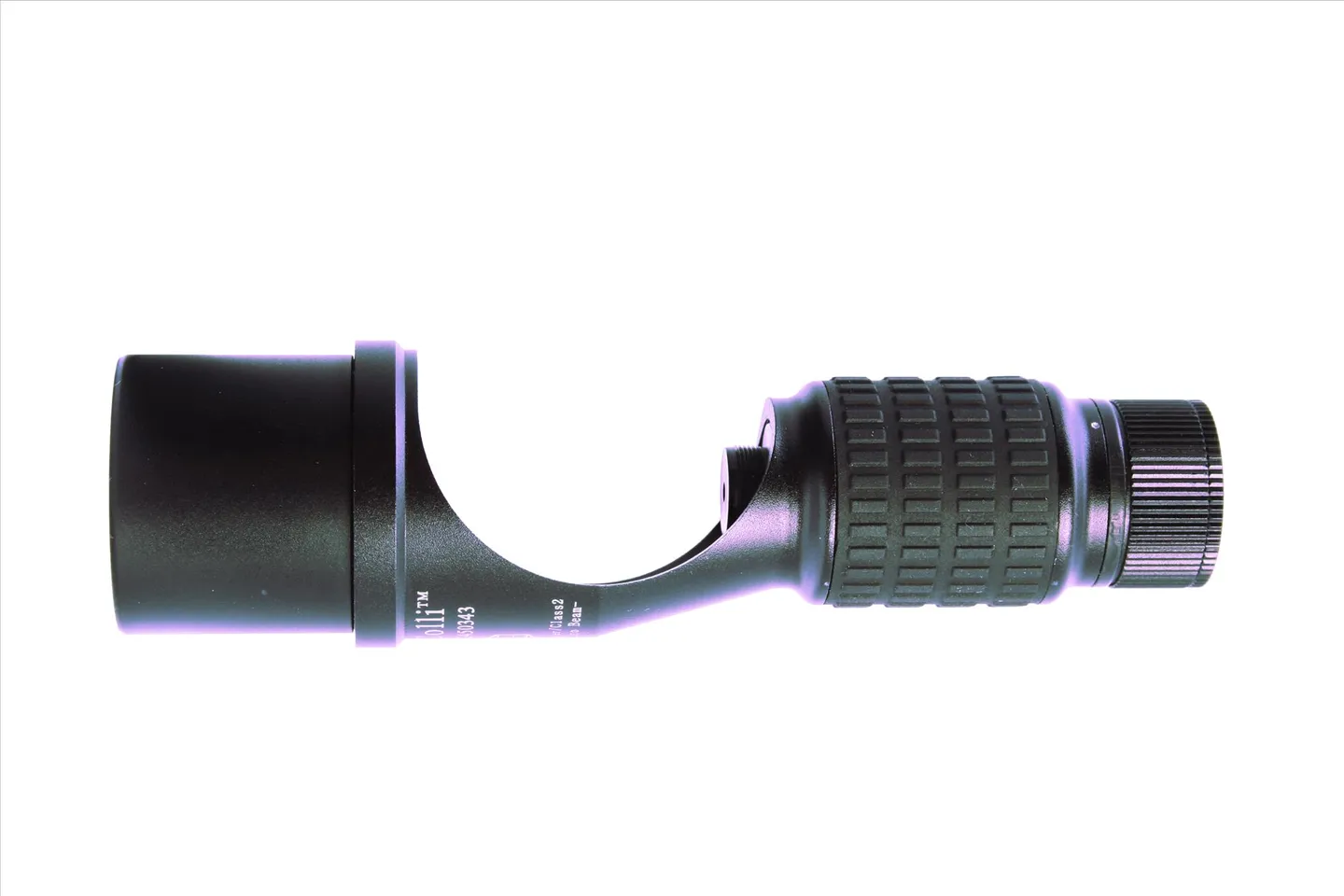
The Mark III features a precisely machined, hard-anodized 1.25″ barrel designed for consistent seating in the focuser. Its metal housing protects the factory-aligned laser module, while concealed adjustment screws help prevent accidental changes to the laser’s alignment. A compact housing design improves visibility of the viewing plate, and a silicone grip makes the collimator easier to handle in cold weather.
For Newtonian and Compatible Schmidt-Cassegrain Telescopes
The Laser Colli Mark III is particularly useful for Newtonian reflectors, including Dobsonian telescopes, where regular collimation helps maintain optical performance. Baader also specifies compatibility with Schmidt-Cassegrain telescopes, thanks in part to the narrow 0.8 mm laser exit aperture and etched viewing plate. However, SCT collimation requires a different procedure from Newtonian alignment and may involve additional preparation. Always follow the relevant telescope-specific instructions.
Ready for Regular Use
The collimator features a rotary on/off switch and an accessible battery compartment. Its portable design makes it convenient to keep with your observing accessories for alignment checks at home or in the field. The supplied instructions explain the collimation process, helping users obtain consistent results with practice.


 Cookie policy
Reviews
There are no reviews yet.