Precise camera orientation, built into your imaging train
Camera rotation is an important part of a well-organised astrophotography workflow. Setting the correct angle helps frame a target, align features consistently across sessions and match the orientation of previous images. Without a motorised rotator, changing that angle usually means physically loosening and repositioning part of the imaging train.
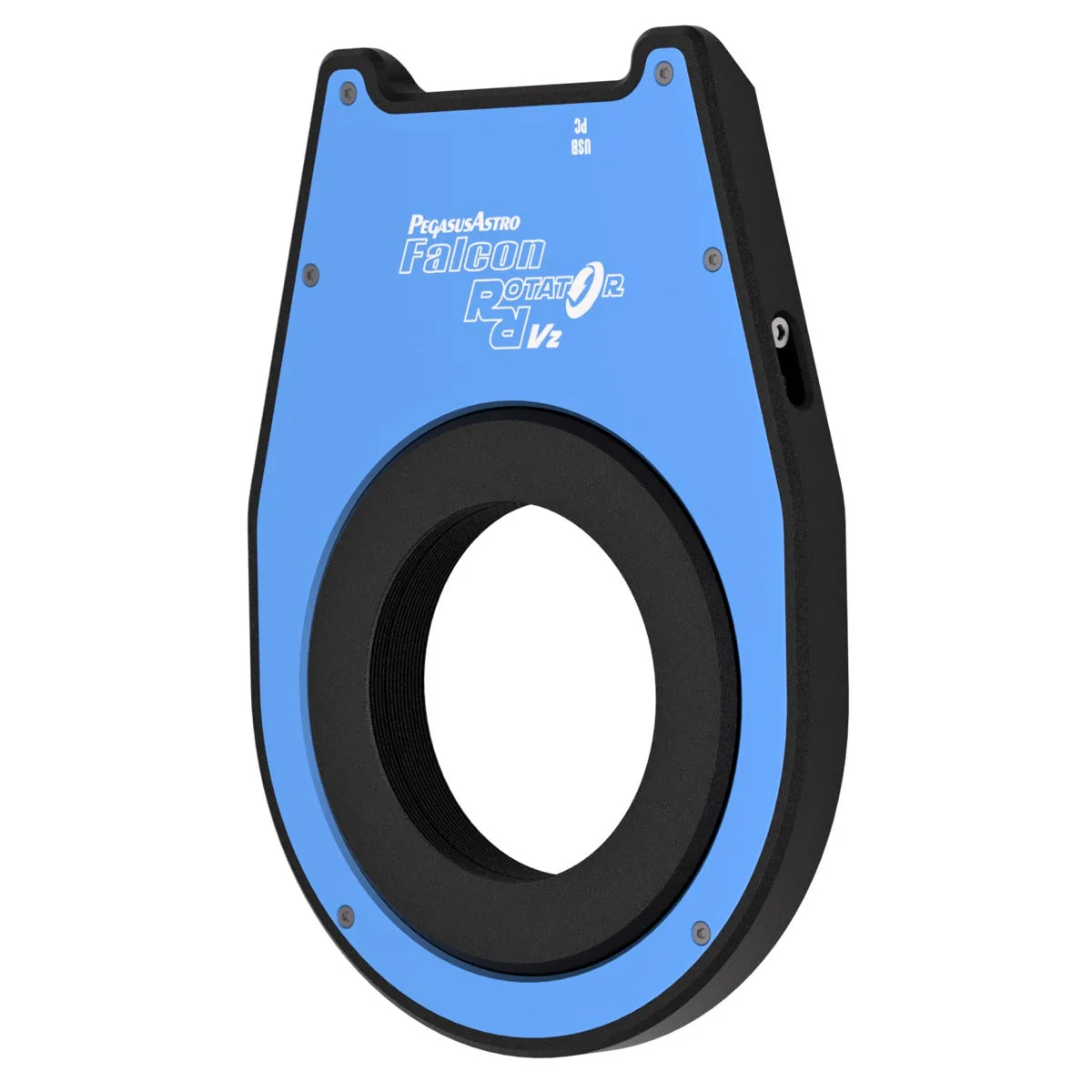
The Falcon Rotator V2 makes this adjustment remotely controllable. Its geared, low-backlash stepper motor moves the attached camera and accessories to the requested orientation, allowing you to refine framing through compatible software without manually disturbing the optical train. This is particularly useful for automated imaging sequences, mosaics and repeat imaging projects where consistent camera orientation matters. The ability to rotate a substantial imaging train also makes the Falcon V2 suitable for setups that combine large cameras, filter wheels and off-axis guiders.
A large aperture with minimal back-focus impact
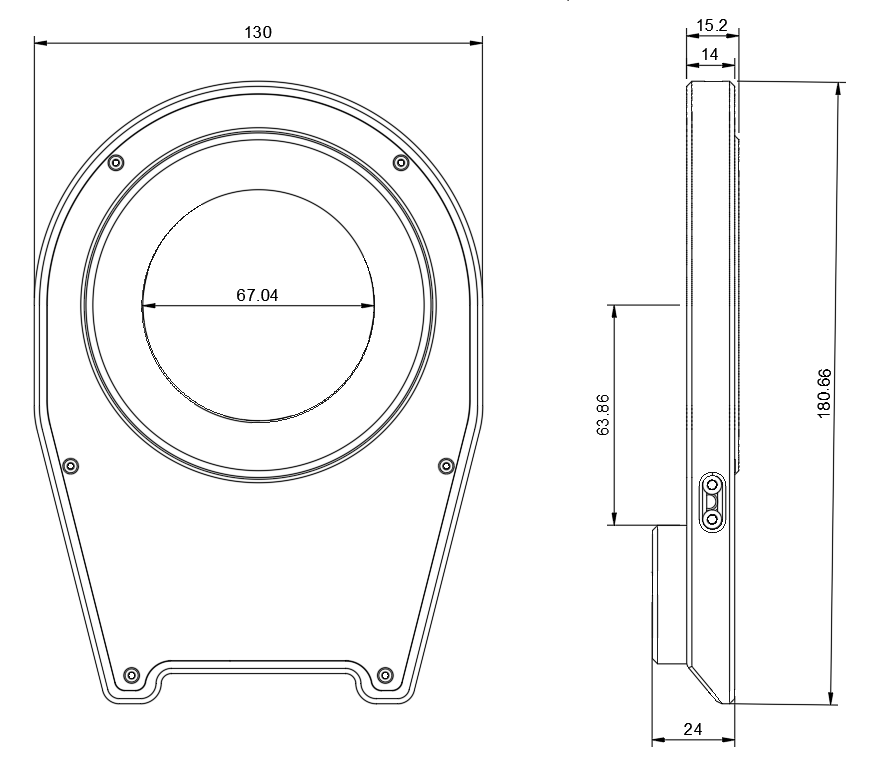
Large-format cameras and fast optical systems often demand generous clear apertures, while their imaging trains leave very little room for additional components. The Falcon Rotator V2 addresses both requirements with M68 threaded openings on the telescope and camera sides and a slim published back-focus requirement of 16 mm.
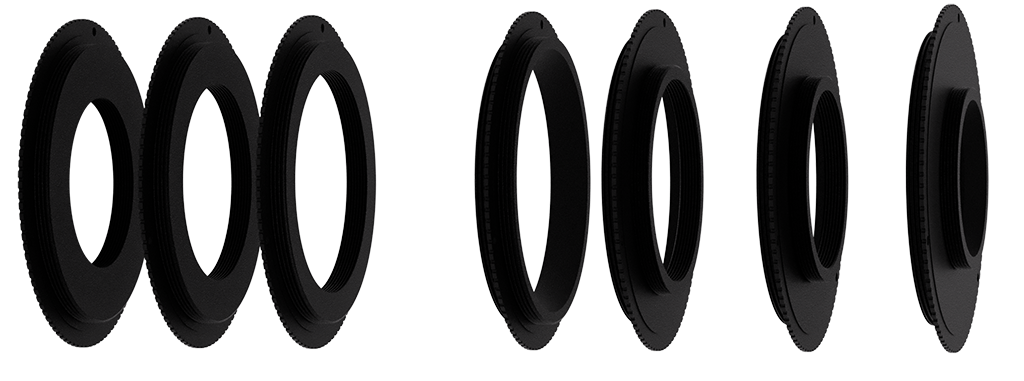
The large opening helps avoid unnecessarily restricting the light path when working with larger sensors and wide optical systems. The low-profile body preserves more of the available back-focus budget for other essential components, such as a filter wheel, off-axis guider or camera adapter. The rotator can be integrated using optional adapters for other thread sizes, including M54, M48 and M42. However, every additional adapter affects the total optical spacing, so plan the complete imaging train before choosing the connection arrangement.
Built to carry demanding imaging equipment
A rotator must do more than turn smoothly when unloaded. It needs to position the camera repeatably while supporting the weight and mechanical leverage of the attached equipment. The Falcon Rotator V2 has been tested with an imaging payload of up to 6 kg. Its geared drive and adjustable internal bearing arrangement are designed to maintain a stable imaging train with minimal flexure. This makes it a practical option for heavier cooled-camera systems with multiple accessories, provided the rest of the telescope and mounting hardware can support the assembly. Micro-stepping options allow the drive to use different motor step subdivisions, with ×4 set as the default. This supports controlled positioning, while the low-backlash drive helps reduce unwanted movement when changing orientation.
Wireless operation and straightforward integration
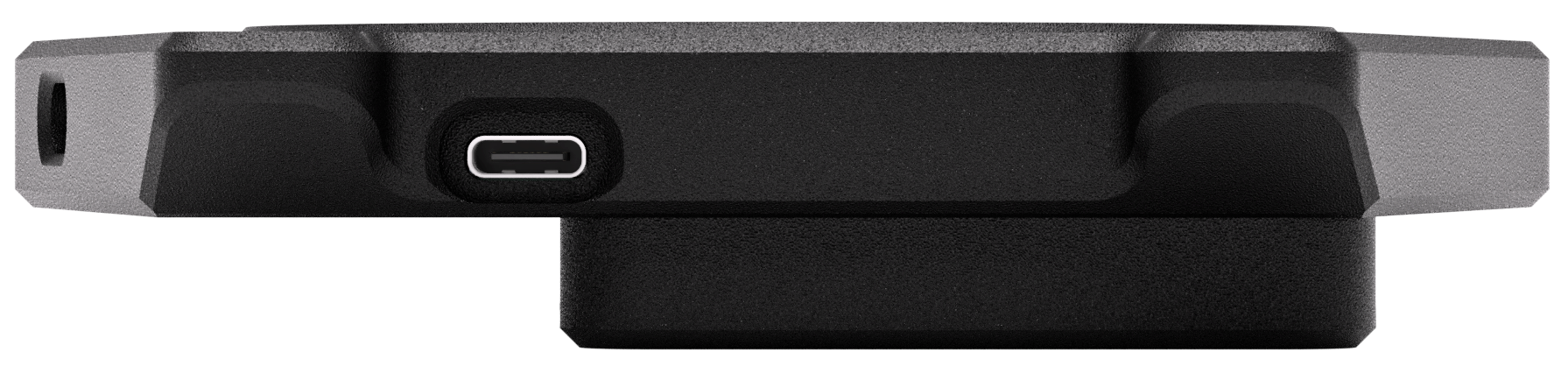
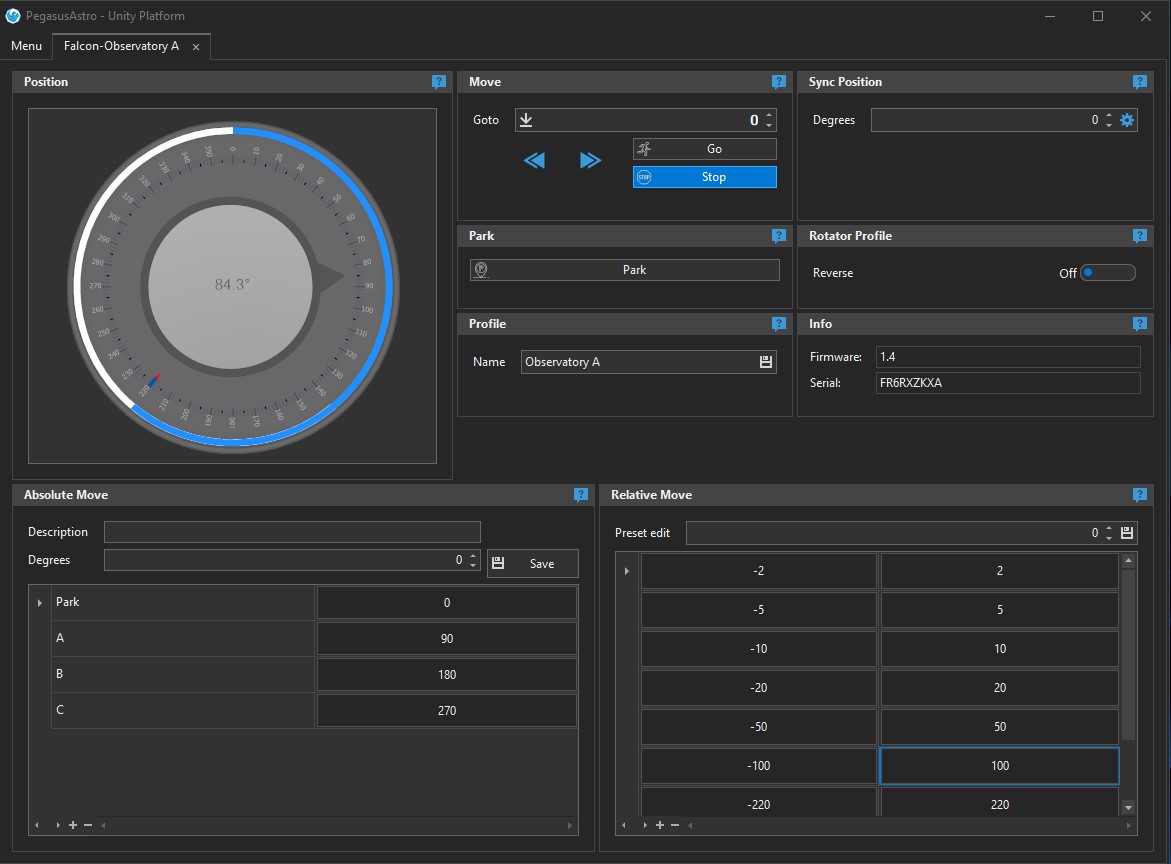
The Falcon V2 can be controlled through USB-C, which carries both power and data, or wirelessly through its integrated 2.4 GHz Wi-Fi. The built-in web interface allows convenient access from a compatible device, while native ASCOM Alpaca support makes network-based control possible without relying solely on a traditional USB-connected astronomy computer. The rotator also supports classic ASCOM and the INDI framework, giving it a place in a wide range of imaging and observatory-control systems. Pegasus Astro’s Unity Platform provides a central environment for device control and configuration.
A built-in cable-wrap prevention behaviour also helps protect the attached cabling: the rotator avoids continuing clockwise beyond its specified 220° limit, reversing direction when necessary. This is particularly useful in automated setups where cable management needs to remain predictable.
Field de-rotation for alt-azimuth mounts
The Falcon Rotator V2 can also compensate for field rotation when imaging with an alt-azimuth mount. As the mount tracks an object across the sky, the apparent orientation of the field changes. A suitable rotator can turn the camera at the corresponding rate to keep the image orientation aligned during tracking.
The supplied Unity Platform calculates the required rate of rotation using the observing location and target altitude and azimuth. With the appropriate configuration, the Falcon V2 supports field de-rotation with a specified resolution as fine as 5 arcseconds.
Firmware also supports sidereal and solar tracking modes, allowing the rotator to be used in certain standalone tracking configurations with a camera and lens or a small refractor. These are specialised functions, separate from ordinary camera-angle adjustment, and require suitable setup and alignment.

 Cookie policy
Reviews
There are no reviews yet.