Precision and speed in a compact package
Accurate camera orientation is important when composing deep-sky images, matching framing across multiple sessions or building repeatable imaging sequences. The Mini V2 provides 1,142 steps per degree, with a nominal step value of 0.0008° and an effective angular resolution of approximately 0.005°. This fine control supports precise camera positioning, while the effective resolution provides a more realistic indication of the angular adjustments the system can deliver. When you need to change orientation, the rotator can turn at up to 4.5° per second. That combination of fine positioning and fast movement makes it practical to adjust composition between targets without unnecessary delays during an imaging session.
Ready for cold, demanding nights
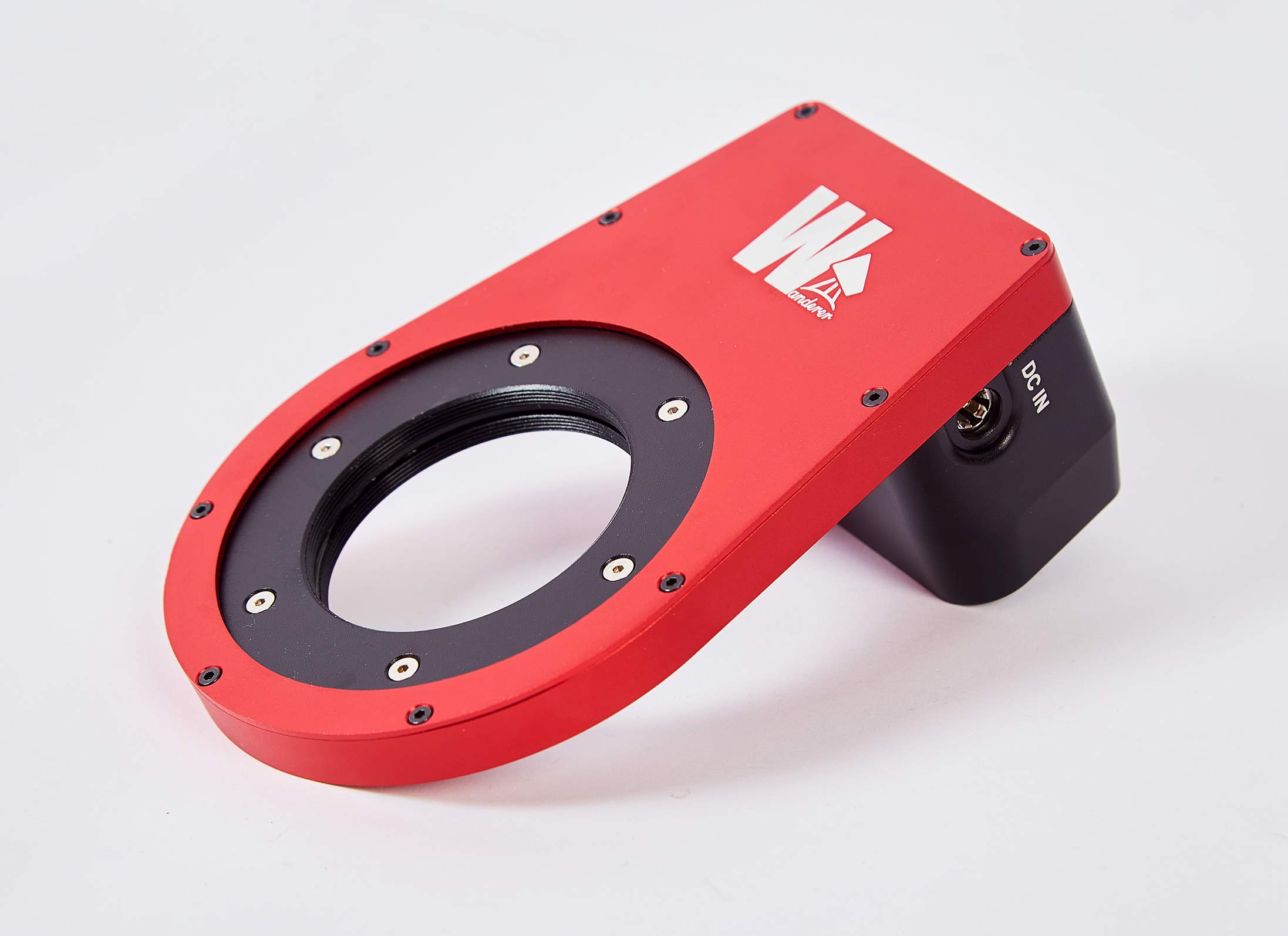
Astrophotography often means operating in freezing conditions, far from the comfort of an indoor workspace. The Mini V2 is designed for operation down to −25°C, making it suitable for cold-weather imaging sessions. Its motorised operation also lets you control camera orientation remotely through compatible software, reducing the need to handle or reposition the imaging train manually in the dark. For unattended sequences, the rotator can form part of an automated workflow once configured and tested with the rest of your setup.
Preserve back focus without sacrificing rigidity
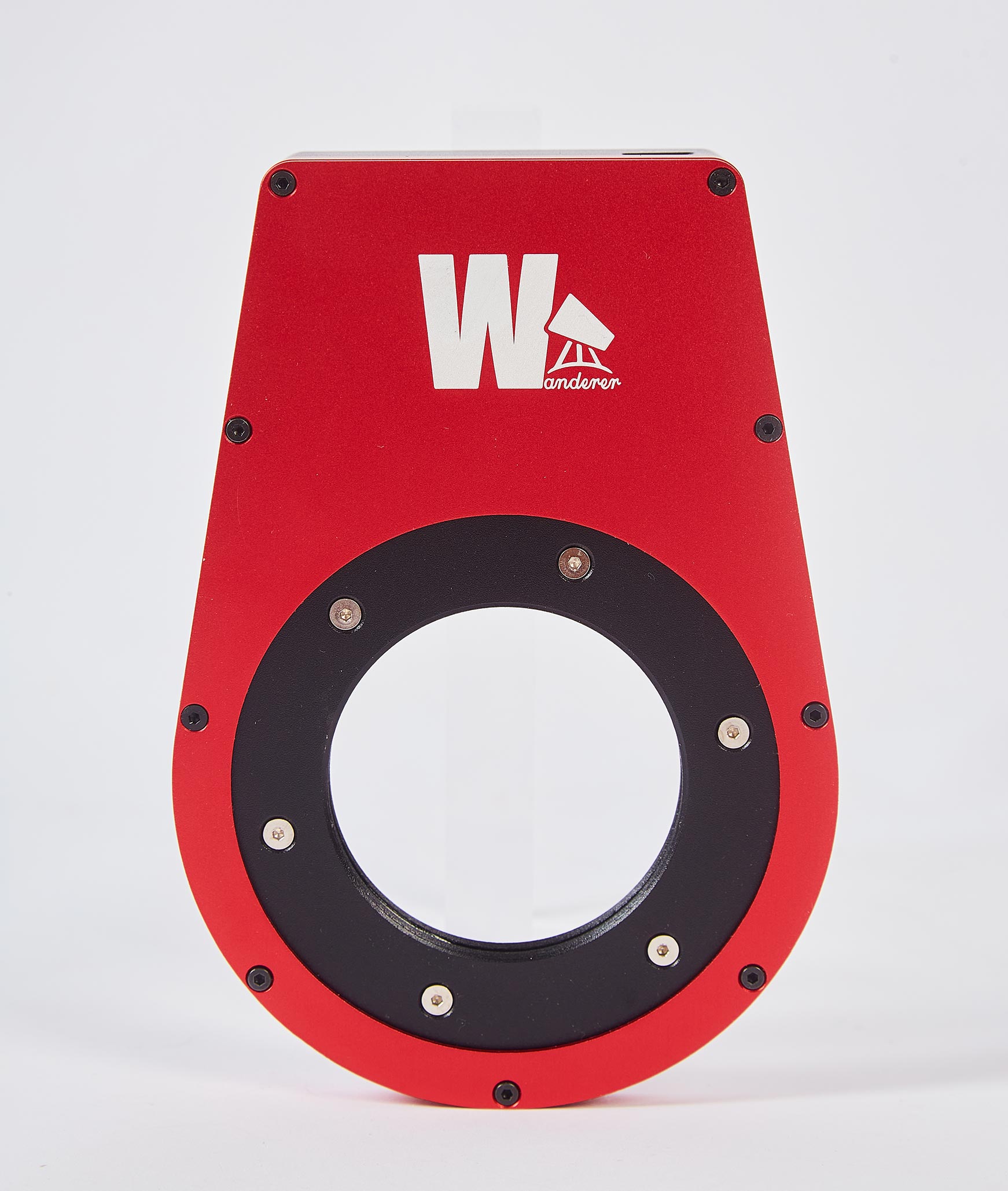
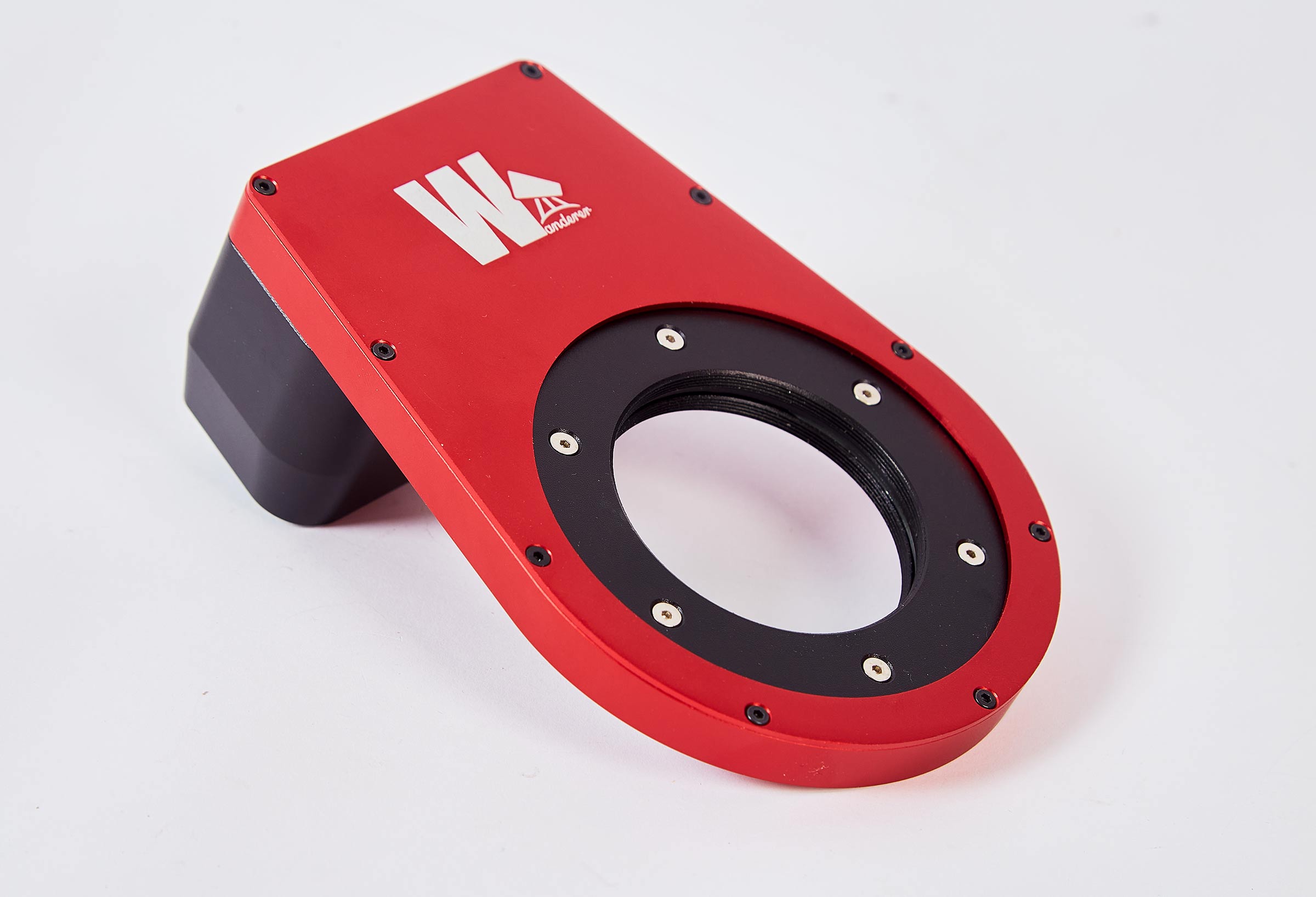
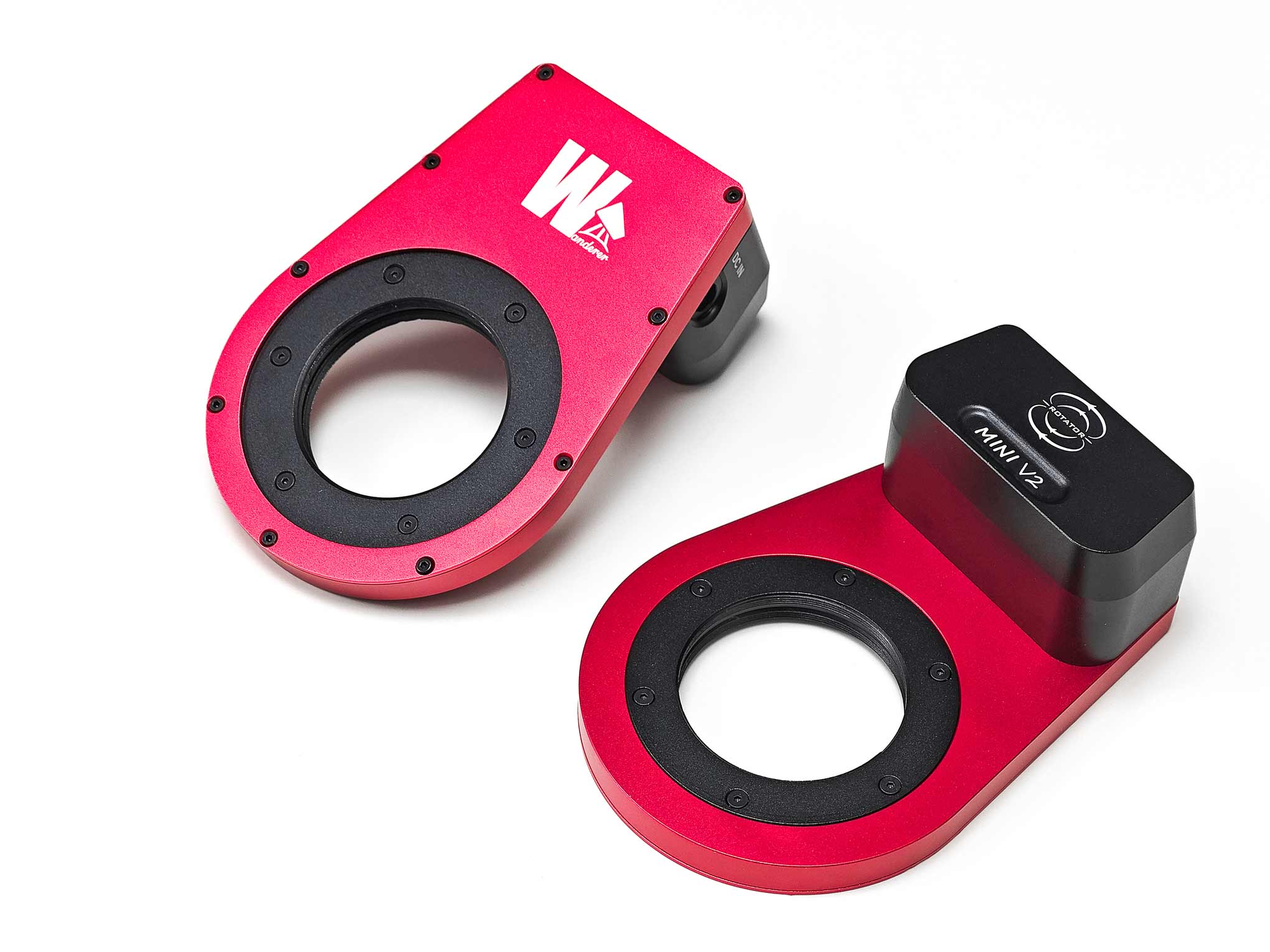
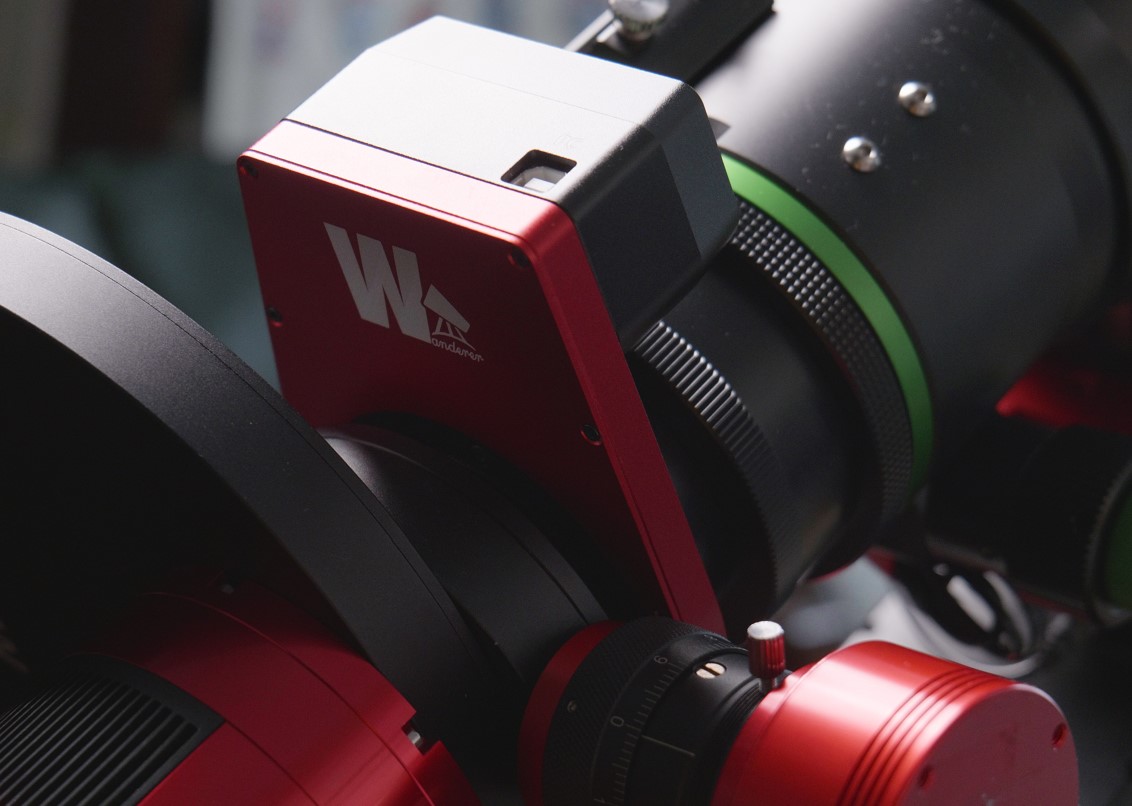
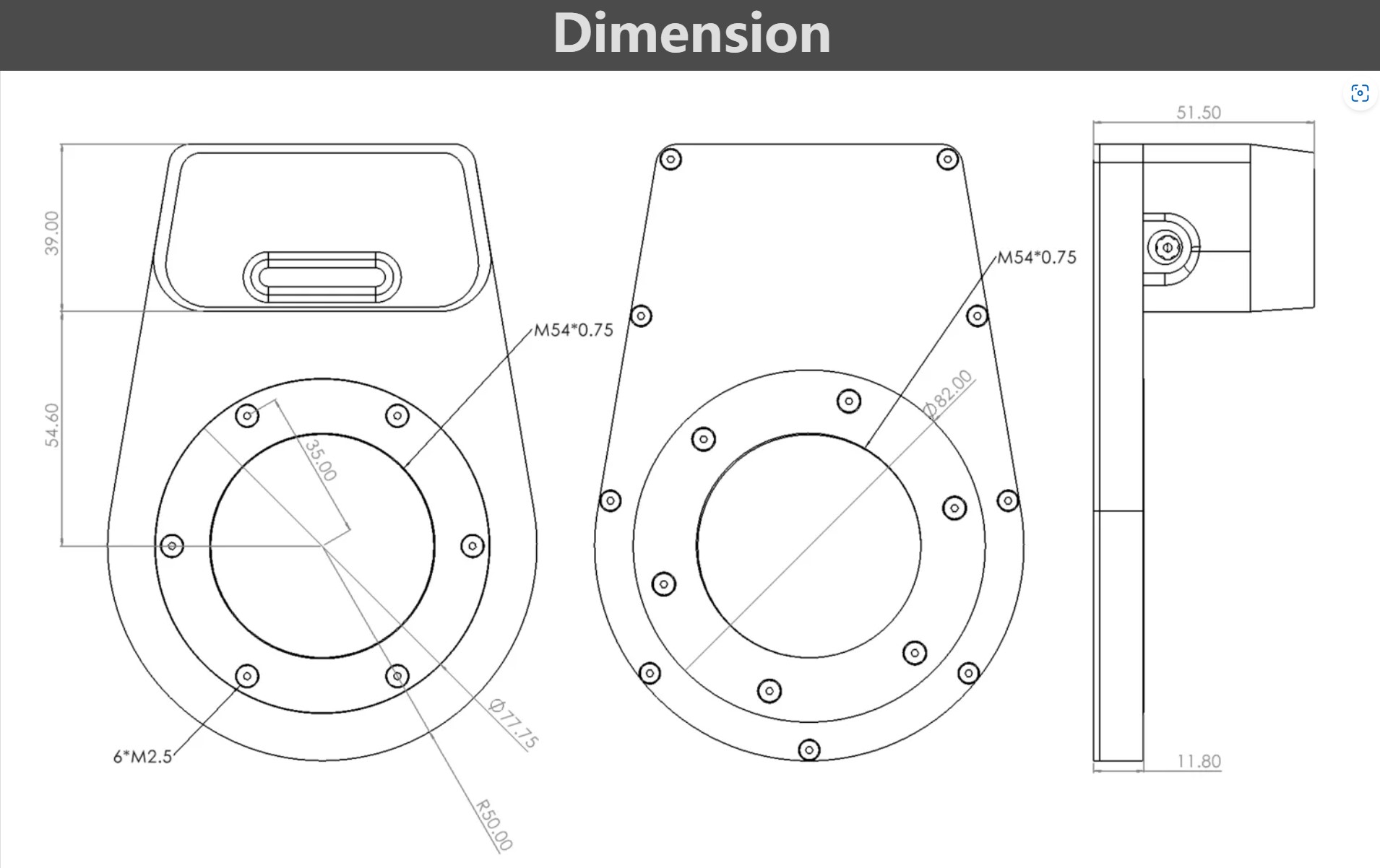
With just 10 mm of back-focus consumption, the Mini V2 is designed for imaging trains where optical spacing is critical. Its compact form helps leave room for cameras, filter wheels, off-axis guiders and other accessories while adding motorised rotation.
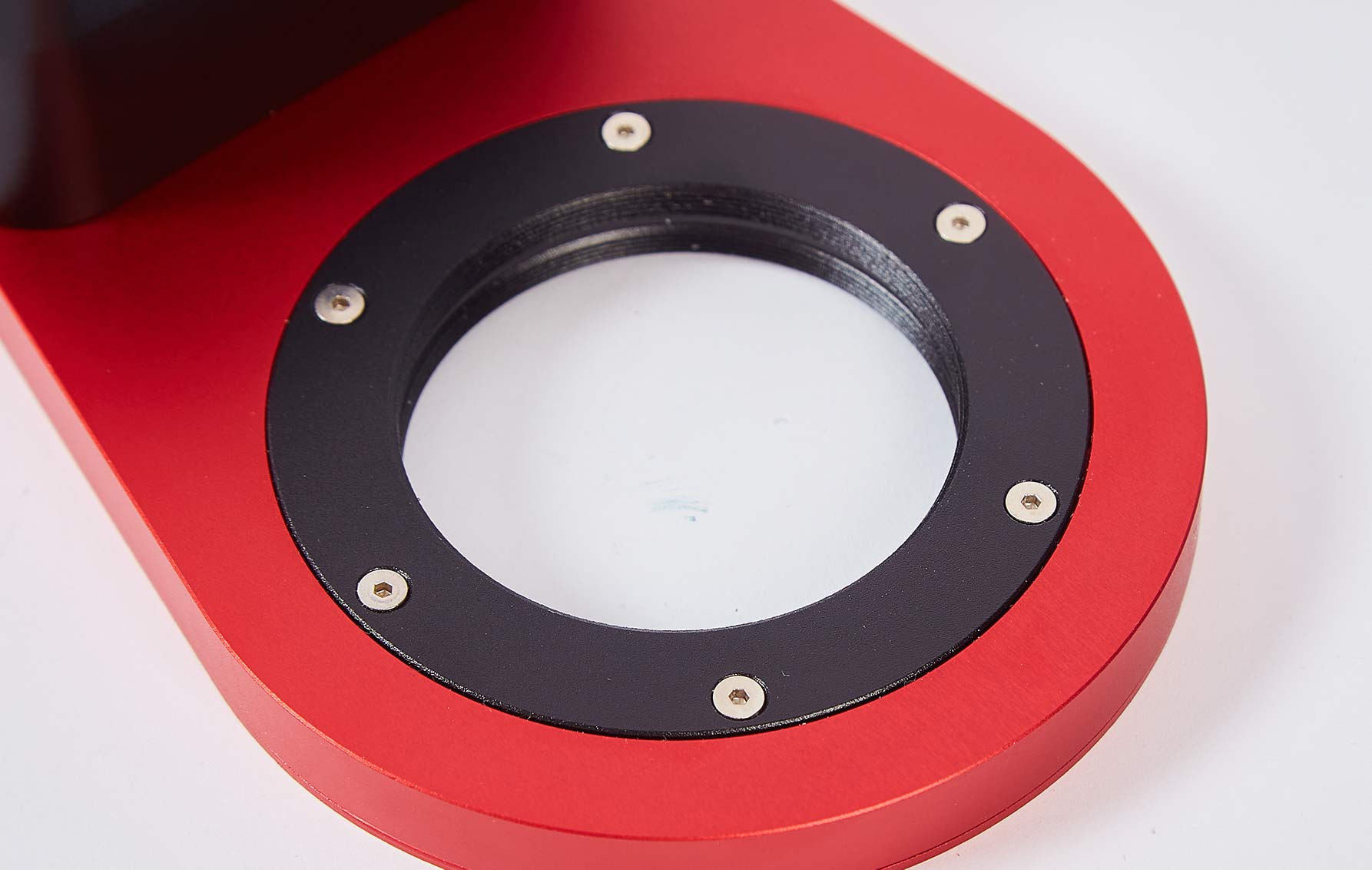
The rigid rotating structure is engineered to maintain alignment as the camera changes angle, helping preserve the focal plane within the rotator’s specified load capacity. Its low mass of approximately 420 g also helps limit the additional load on the focuser. Both sides feature M54 female threads. Because the threaded engagement is shallow, ensure that mating M54 male threads do not exceed 5 mm on either side. When installing components on both sides, the combined thread lengths must remain below 10 mm; use suitable spacers if necessary to prevent damage.
Automated framing and field de-rotation
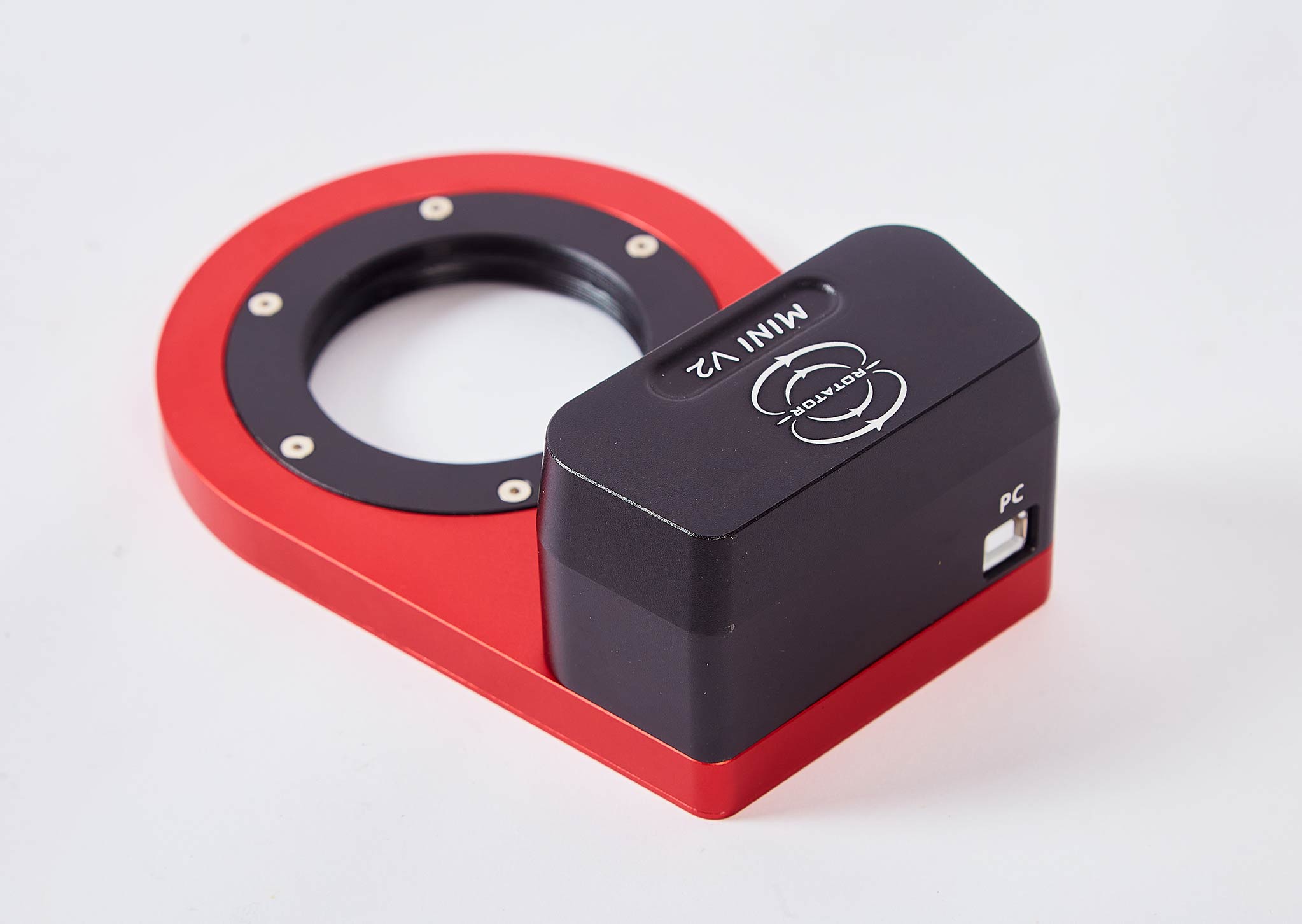
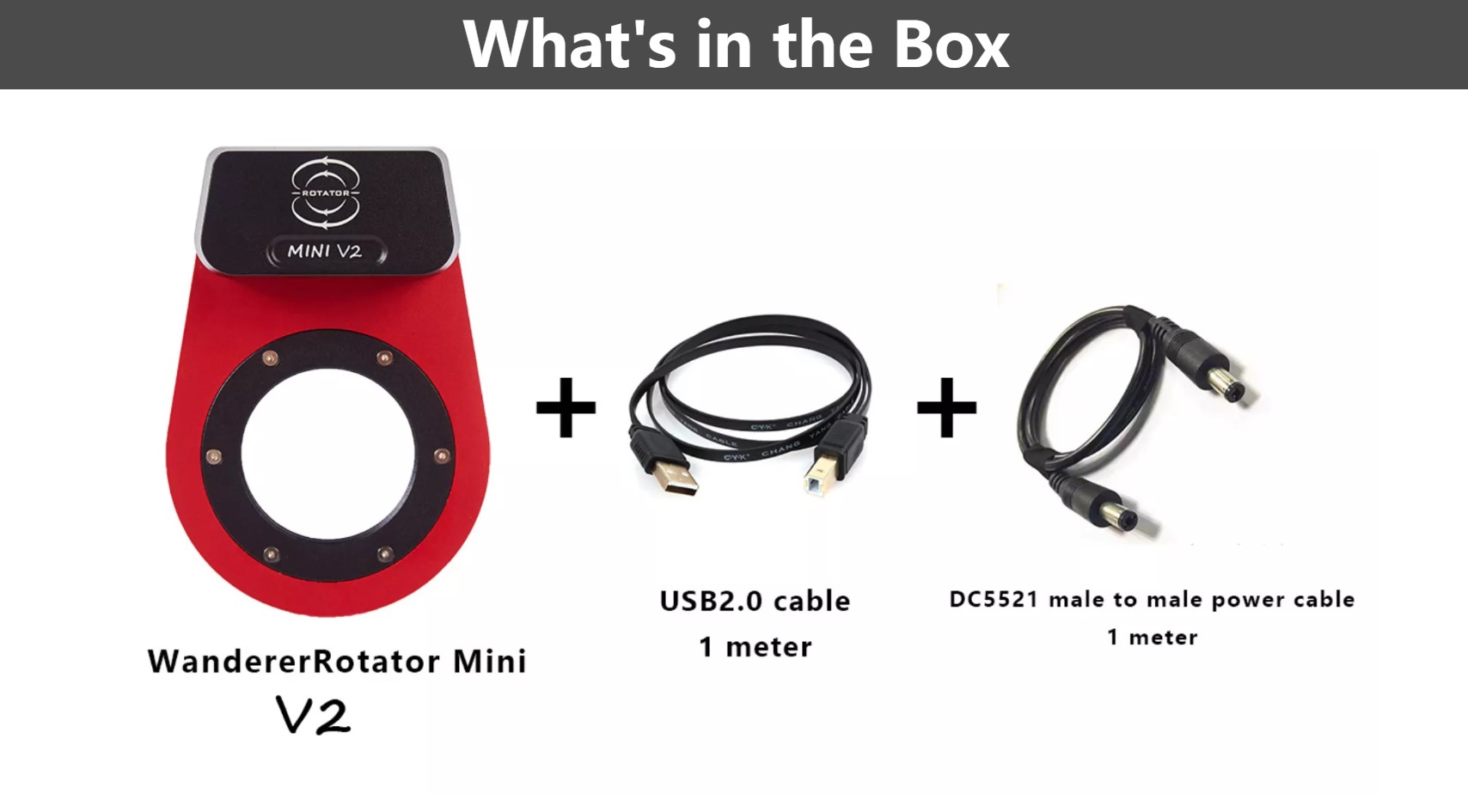
The Mini V2 connects to a computer through USB 2.0 Type-B and integrates with compatible ASCOM software. This allows camera orientation to be controlled remotely and incorporated into supported imaging sequences.
It also supports field de-rotation for alt-azimuth mounts and Dobsonian telescopes. As the mount tracks an object, the camera can rotate to compensate for the changing orientation of the sky, helping maintain consistent framing throughout an imaging sequence. Field de-rotation requires compatible software and correct configuration.


 Cookie policy
Reviews
There are no reviews yet.