A large colour sensor for astronomy
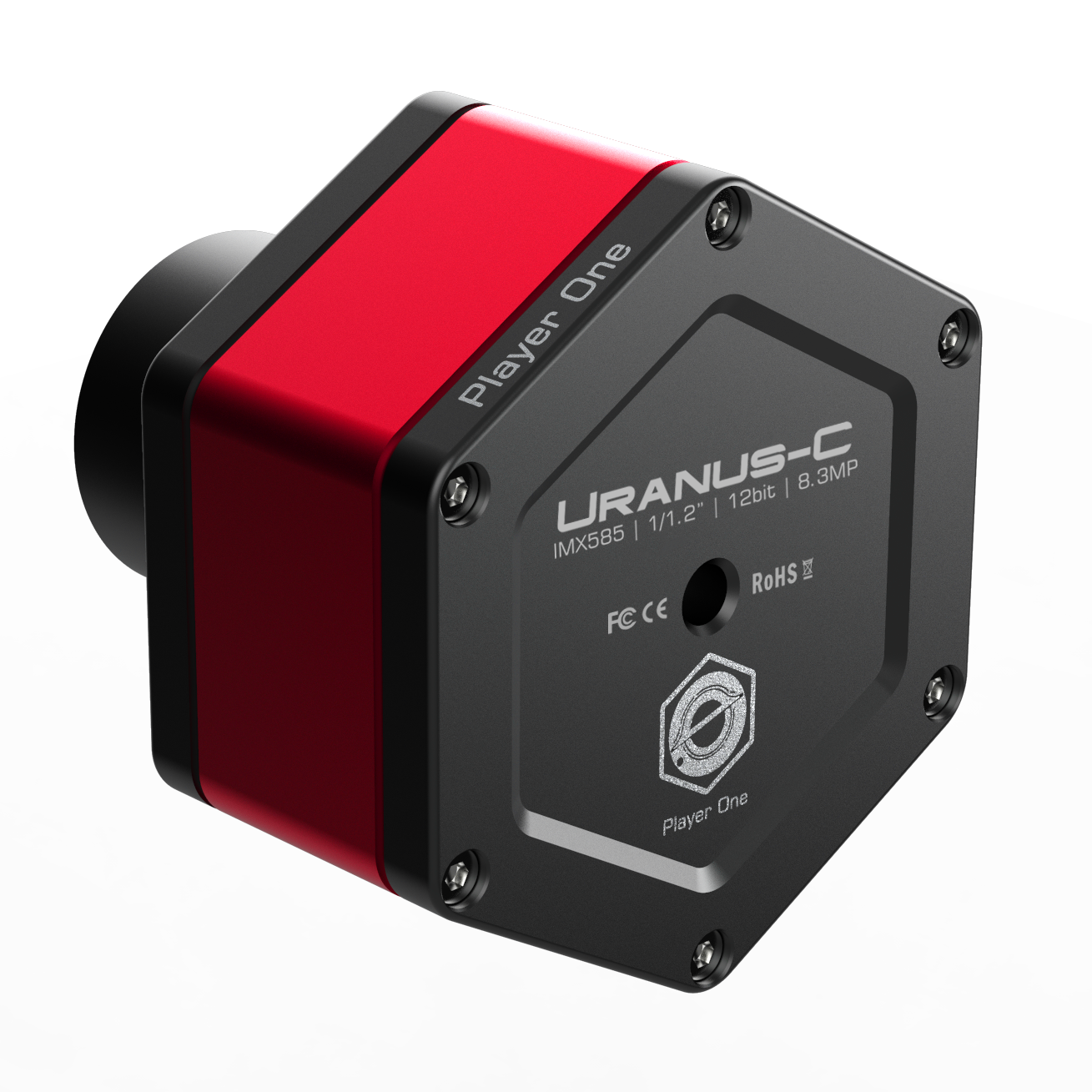
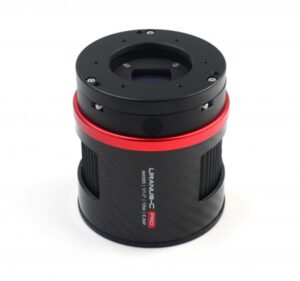
The Uranus-C uses Sony’s IMX585 back-illuminated colour CMOS sensor, with a 1/1.2-inch format, a diagonal of 12.85 mm and a resolution of 3856 × 2180 pixels. Its 2.9 μm pixels provide a balance between image detail and light collection, while the larger imaging area gives more room to frame the Moon or capture a wider scene. The integrated RGB Bayer colour filter array allows the camera to record colour images without requiring a separate filter wheel for ordinary one-shot colour imaging. This makes it a convenient choice for planetary observers and those beginning with EAA.
Fast capture for planets and the Moon
Lucky imaging involves recording a large number of short exposures and selecting the sharpest frames for stacking. This can help reduce the effects of atmospheric turbulence and reveal more detail in planets and lunar features. Over USB 3.0, the Uranus-C reaches up to 46 FPS at 3856 × 2180 in RAW8 mode, or 23 FPS in RAW16 mode. At 1920 × 1080, the listed rates increase to 187 FPS in RAW8 and 93.5 FPS in RAW16. Actual recording performance depends on capture settings, computer performance, the USB connection and storage write speed. The larger sensor is also beneficial for lunar mosaics, where a broad field of view can reduce the number of individual panels needed to cover the Moon.
Useful for EAA and selected deep-sky targets
Although the Uranus-C belongs to Player One’s planetary camera range, it can also be used for electronically assisted astronomy and short-exposure deep-sky imaging. The sensor’s 47,000-electron full-well capacity provides considerable charge capacity per pixel, and the manufacturer reports no visible amp glow in its dark-frame testing. The camera also supports High Conversion Gain (HCG) mode, which activates at a gain setting of 210 according to Player One. This mode reduces read noise while helping preserve dynamic range. Results in deep-sky imaging will depend on the target, telescope, exposure strategy, sky conditions and thermal environment; the Uranus-C is not a substitute for every application requiring a cooled deep-sky camera.
Passive cooling and optional active cooling
The standard Uranus-C uses Player One’s Passive Cooling System (PCS), which helps conduct heat away from the sensor. It does not have an integrated two-stage thermoelectric cooler like the Uranus-C Pro. For users who want additional temperature management, Player One offers the optional Active Cooling System (ACS), an external air-cooled accessory designed for compatible planetary cameras. It is sold separately unless the customer selects a bundle that includes it.
Buffer memory and image processing
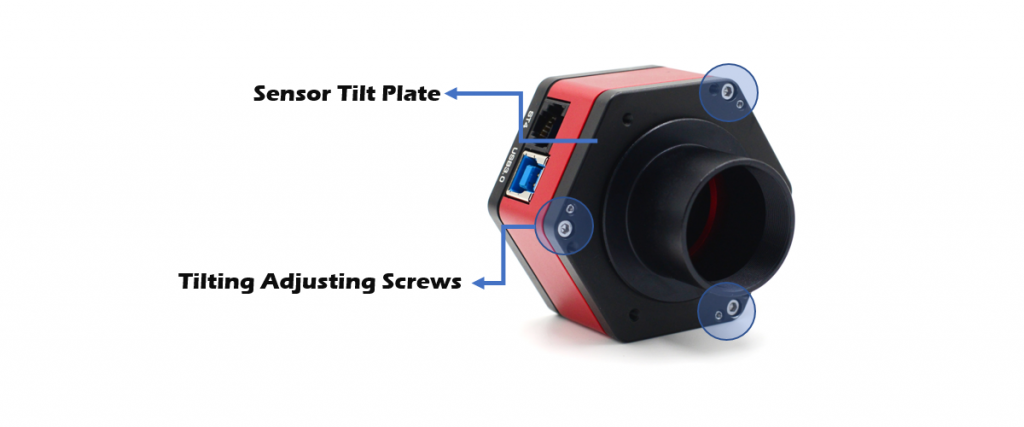
The 256 MB DDR3 buffer helps manage image data during rapid capture and supports stable transfer to the computer. The camera connects through USB 3.0 for its highest listed frame rates and can also operate through USB 2.0, although data-transfer performance will be lower. Player One’s Dead Pixel Suppression (DPS) technology identifies fixed abnormal pixels from dark-frame information and compensates for them using nearby active pixels. The camera also has an adjustable sensor tilt plate, which can help address sensor alignment issues in compatible optical setups.
Connections and compatibility
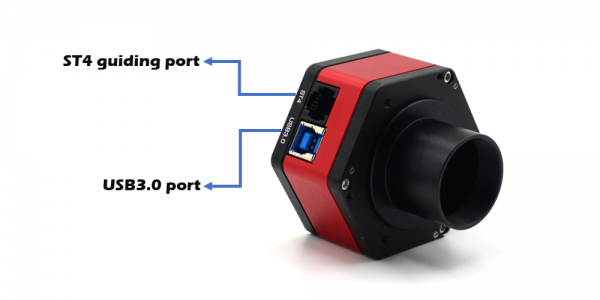
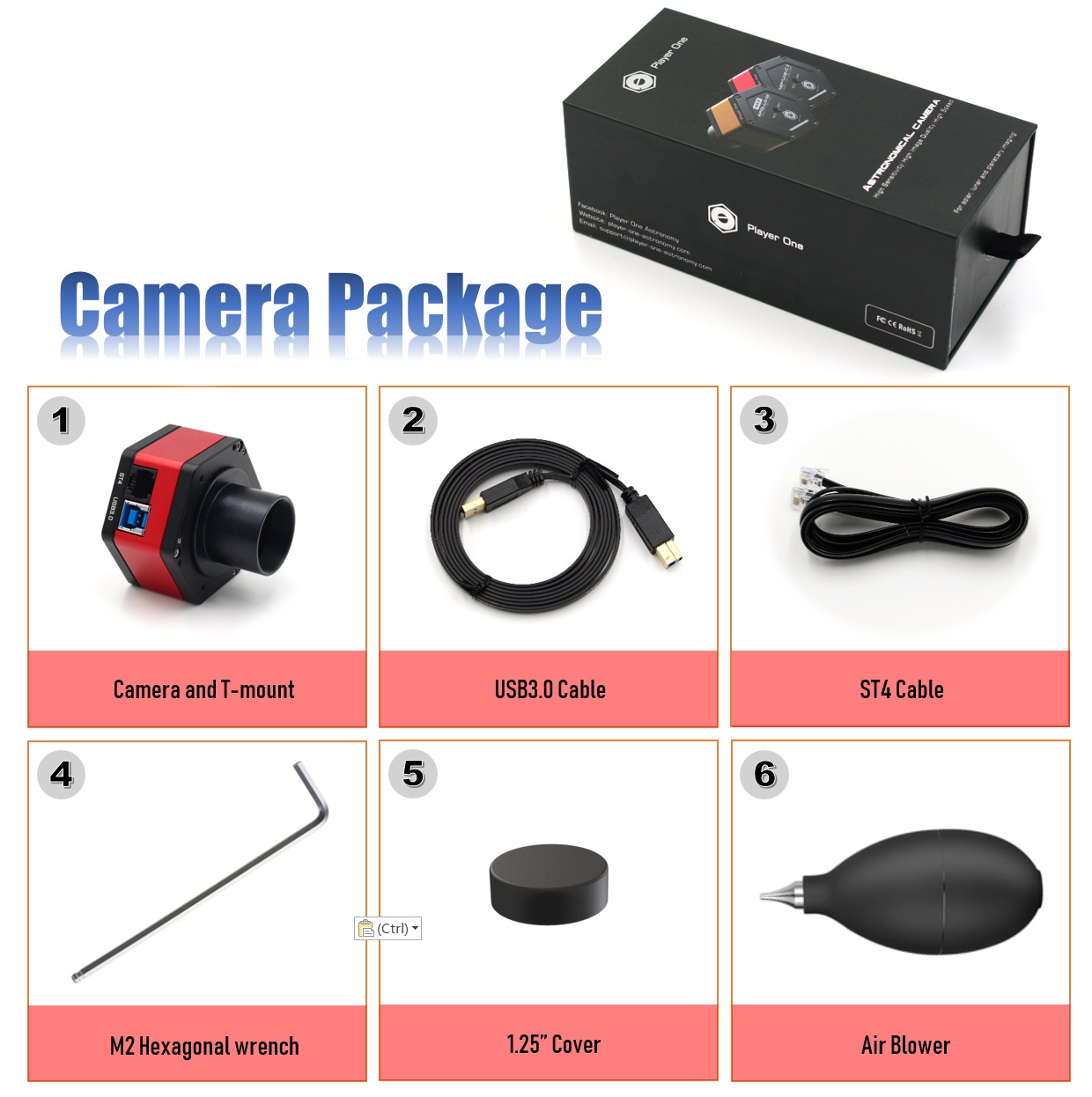
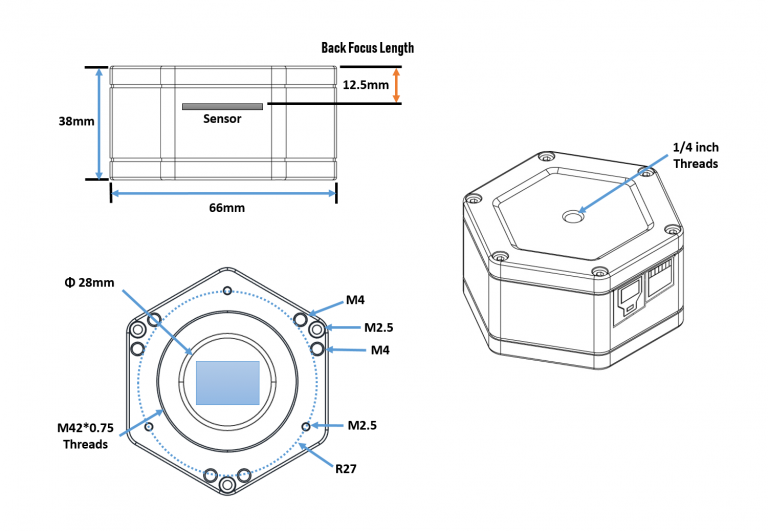
The Uranus-C provides a USB 3.0 / USB 2.0 data connection and an ST4 guiding port. Its front adapter supports a 1.25-inch connection and M42 × 0.75 threading, with a specified back focal length of 12.5 mm. The camera’s near-infrared sensitivity can be useful for specialised imaging, but it can also affect colour balance with some optical systems. A compatible UV/IR-cut filter may therefore be a useful accessory for conventional colour imaging, depending on the telescope and existing optical filtration.



 Cookie policy
Reviews
There are no reviews yet.